How to Reheat Meal Prep Without Drying It Out
Learn how to reheat meal prep without drying it out with simple microwave, oven, and stovetop tips to keep chicken, rice, and pasta moist.

Knowing how to reheat meal prep without drying it out makes busy days easier, but reheating your food can be tricky. Chicken can turn rubbery, rice can become hard, and pasta can dry out, even when it has sauce. The good news is that you don't need to cook everything from scratch to enjoy a tasty meal. You just need to know how to reheat meal prep without drying it out.
The best way to learn how to reheat meal prep without drying it out depends on the food you're preparing and the texture you want to keep. A little water can help bring moisture back to rice, while extra sauce can make pasta taste fresh again. Covering food and heating it slowly can also help prevent food from drying out. This guide explains how to reheat meal prep without drying it out in the microwave, oven, on the stovetop, and in an air fryer. You'll also find simple tips to keep reheated food moist without making vegetables soggy.
Quick Answer: How to Reheat Meal Prep Without Drying It Out
The best way to reheat prepared meals is to use gentle heat and add a little moisture when needed. If you want to know how to reheat meal prep without drying it out, follow these simple tips:
- Add a little water or broth: A small splash can help keep rice, chicken, and other foods moist. For pasta, a little extra sauce can also help.
- Cover your food: Use a microwave-safe lid with a vent to trap steam without sealing the container completely.
- Heat in short intervals: Heat for 30–60 seconds at a time, then stir or rotate the food as needed. This helps you reheat food evenly and avoid overcooking.
- Choose the right method: The stovetop works well for soups and saucy meals, while the oven or air fryer can help keep roasted vegetables and other crispy foods from becoming soggy.
- Use gentle heat: Lower microwave power and shorter heating times can help with moisture retention, especially for lean proteins.
- Check the temperature: Reheat leftovers to 165°F (74°C) throughout. Use a food thermometer to check the center, especially in larger portions.
Learning how to keep meal prep moist in the microwave often comes down to adding the right amount of liquid, covering the food, and avoiding long heating times. When learning how to reheat meal prep without drying it out, adjust these steps to suit the ingredients, portion size, and reheating method.
The Key to Keeping Reheated Meal Prep Moist
The secret to keeping reheated food tasty is to control moisture and heat. A little liquid, a suitable cover, and shorter heating times can make a big difference. These simple steps show you how to reheat meal prep without drying it out, whether you're warming chicken and rice bowls, pasta, or roasted vegetables. Once you understand how each method works, it's easier to enjoy leftovers without making them dry, rubbery, or soggy.
Add the Right Amount of Water, Broth, or Sauce
If you're wondering, should you add water when reheating meal prep? The answer is yes for some foods, but the type and amount of liquid matter. Start with a small splash of water, broth, or sauce, then add more only if needed. Too much liquid can make your meal watery instead of helping it taste fresh.
- Rice and grains: Add a small splash of water before reheating. This helps soften the grains and bring back some moisture.
- Chicken and other savory proteins: A little chicken broth can help keep the meat moist. You can also use leftover cooking juices or gravy when they suit the dish.
- Pasta and noodles: Add extra sauce if the pasta looks dry. If you don't have more sauce, start with about 1–2 teaspoons of water or broth per serving, then adjust as needed.
- Mixed meals: For dishes like chicken and rice bowls, add liquid to the driest part rather than pouring it over everything.
Part of knowing how to reheat meal prep without drying it out is adjusting the amount of water, broth, or sauce to your portion size and ingredients. A small serving may need only a teaspoon or two, while a larger container may need a little more. The goal is to restore moisture without changing the original texture.
Knowing how to restore moisture to reheated food also means choosing the right liquid. Water works well for grains, broth adds savory flavor, and extra sauce is usually the best choice for pasta. Add a little at a time so you can control the result.
Cover Food to Retain Moisture and Steam
Covering your food while reheating helps trap steam inside the container. This reduces moisture loss and helps the food warm more evenly. It is especially useful for rice, chicken, pasta, and other meals that tend to dry out.
For microwave reheating, place the food in a microwave-safe container and cover it with a microwave-safe lid. A vented lid is a good choice because it allows some steam to escape instead of trapping pressure inside. If you don't have one, use another microwave-safe cover designed for this purpose.
This type of covered reheating helps retain moisture while the food warms. The steam gently heats the surface and can help soften rice and other foods that have become firm in the refrigerator. However, don't seal a container tightly unless it is specifically designed for that use.
Crispy foods need a different approach. Covering fried chicken, roasted potatoes, or other crunchy items can trap steam and make them soggy. Leave these foods uncovered when using an oven or air fryer, or remove the cover toward the end of reheating when the method allows it.
A simple rule for how to reheat meal prep without drying it out is to trap steam when moisture matters, but let it escape when you want a crispy texture. Choosing the right cover for each dish improves steam retention without ruining its texture.
Use Gentle Heat and Avoid Overcooking
High heat might seem like the fastest way to warm leftovers, but it can also make them dry or tough. Chicken breast, fish, and other lean proteins are especially easy to overcook. Using gentle heat can help preserve their texture while allowing the center to warm properly.
When using a microwave, try a medium or reduced microwave power level instead of always choosing full power. Heat the food for short periods, such as 30–60 seconds, then check its temperature and texture before continuing. The exact cooking time depends on your microwave's wattage, the amount of food, and whether the meal starts cold or frozen.
For example, a small serving of chicken and rice may warm faster than a large container filled with several portions. A thick piece of chicken may also take longer to heat through than shredded chicken mixed with sauce. Avoid relying on time alone; check the food as it heats.
Using low heat on the stovetop can also help with soups, sauces, and other dishes that may stick or dry out when heated too quickly. Stir regularly and add a little liquid if the food needs it.
To understand how to reheat meal prep without drying it out, avoid overcooking while still heating the food safely to the recommended internal temperature. Gentle heating, suitable moisture, and careful checking support better texture preservation, especially when you're reheating the same meal several times throughout a busy week.
Stir, Rotate, and Let Food Rest
Microwaves don't always heat food evenly. The outside may feel hot while the center remains cool. To learn how to reheat food evenly, combine short heating intervals with stirring, rotating, and a brief resting period.
Follow these simple steps:
- 1Reheat in short bursts: Heat the food for 30–60 seconds, depending on the portion and your microwave.
- 2Stir halfway through: Mix rice bowls, pasta, vegetables, and saucy dishes so cooler areas move toward the outside and warmer areas mix in.
- 3Rotate the container: If your microwave doesn't have a turntable, rotate the dish during reheating to help improve heat distribution.
- 4Check the center: Use a food thermometer to check the thickest or coolest part of the meal. Leftovers should reach 165°F (74°C) throughout.
- 5Allow a short resting time: Let the food stand briefly before eating, then check that it has heated evenly.
Stirring halfway through is particularly helpful for mixed meals, where rice, chicken, and vegetables may warm at different rates. For larger portions, reheating in batches can be more effective than heating everything at once. Smaller portions are generally easier to heat evenly.
A short rest also gives residual heat time to spread through the food, although resting alone does not guarantee that it has reached a safe temperature. Always check the center when needed, especially for dense meals.
These small habits make it easier to learn how to reheat meal prep without drying it out while reducing cold spots and unnecessary heating. When you reheat food in short bursts, stir where possible, and allow a little resting time, you can improve the texture and reduce cold spots without leaving the food in the microwave for too long.
How to Reheat Meal Prep in the Microwave
The microwave is one of the easiest ways to warm up prepared meals, especially when you're busy at work or school. The key to how to reheat meal prep without drying it out in the microwave is to add moisture. These simple steps can help keep chicken tender, rice soft, and pasta from becoming dry. With the right approach to microwave reheating, you can enjoy a warm, satisfying lunch without starting from scratch.
Step-by-Step Microwave Reheating Method
If you want to know how to reheat meal prep in the microwave without drying it out, follow these simple steps. They work well for many everyday meals, including chicken and rice bowls, pasta, and cooked vegetables.
- 1Choose a suitable container: If your food is in packaging that isn't labeled microwave-safe, transfer it to a microwave-safe dish before heating.
- 2Add a little liquid if needed: Sprinkle a small amount of water over rice or grains, add broth to chicken, or mix extra sauce into pasta. Skip this step if the meal already has enough moisture.
- 3Cover the food: Use a microwave-safe lid with a vent to help trap steam while allowing excess pressure to escape.
- 4Start heating: Heat the meal for 30–60 seconds as a starting point for an individual portion. The actual time will depend on the food and your microwave.
- 5Stir or rotate: Mix foods such as rice bowls and pasta halfway through. For meals you can't stir, rotate the container when appropriate to improve heating.
- 6Continue until fully heated: Heat in additional short intervals until the entire meal reaches 165°F (74°C). Use a food thermometer to check the center, especially in thicker portions.
- 7Let it stand briefly: Allow the food to rest for a short time, then check for cold spots before eating.
These steps make it easier to learn how to reheat meal prep without drying it out while protecting its texture and heating it safely. If the food still looks dry, add a little more suitable liquid rather than heating it for a long time without checking.
Best Microwave Power, Timing, and Moisture Tips
Choosing the right microwave power level is an important part of learning how to reheat meal prep without drying it out, especially when warming lean proteins or pasta. Instead of always using full power, start at medium power for foods such as chicken breast, fish, and pasta. Adjust as needed based on your appliance and the amount of food.
For a single serving, 30–60-second intervals are a useful starting point, not a fixed cooking time. After each interval, check the food and stir it when possible. Continue heating until it is hot throughout and reaches a safe internal temperature.
Keep these practical tips in mind:
- Use shorter heating intervals: This gives you more control and helps prevent the outside from becoming overcooked before the center warms up.
- Adjust for portion size: Large or dense meals usually need more time than small, loosely packed portions.
- Add moisture carefully: A small splash of water, broth, or extra sauce can help restore moisture when the food looks dry.
- Check the center temperature: The outside may feel hot while the middle is still cool. Use a food thermometer to confirm that the meal reaches 165°F (74°C) throughout.
- Avoid unnecessary reheating: Warm only the portion you plan to eat instead of repeatedly heating and cooling the entire batch.
If you're learning how to reheat refrigerated meals, remember that starting temperature, portion size, food density, and microwave wattage all affect the time required. There isn't one timing rule that works for every meal.
These tips are especially useful when learning how to reheat meal prep without drying it out during a busy workday. Keep your meal covered, add a little moisture when necessary, and heat it in stages rather than choosing one long microwave cycle.
Choosing a Microwave-Safe Container and Venting the Lid
Your container can affect how evenly your food heats and how much moisture it keeps. When choosing meal prep containers, look for a label or manufacturer instructions that specifically confirm they are safe for microwave use.
Shallow containers are often helpful because they allow food to spread out in a more even layer. This can improve heat distribution and make it easier to warm the center without overcooking the edges. If you're reheating a large portion, dividing it into smaller servings may also help.
Follow these container tips:
- Check the label: Use only containers explicitly marked microwave-safe, and follow the manufacturer's heating instructions.
- Use a vented lid: A lid with a vent helps hold in steam while allowing excess pressure to escape. If your lid needs to be opened or adjusted before heating, follow its instructions.
- Avoid tightly sealed containers: Steam can build up during heating, so don't microwave a sealed container unless it is specifically designed for that purpose.
- Choose the right material for the appliance: A container labeled microwave-safe is not automatically safe for an oven or air fryer. Check the manufacturer's guidance before using it in another appliance.
- Keep food covered during storage: Airtight containers can help protect refrigerated meals before reheating, but use an appropriate vented cover when warming food in the microwave.
A suitable container, a properly used vented lid, and a little attention to portion size can make everyday reheating easier. Together, these choices help your meal warm more evenly while reducing unnecessary moisture loss.
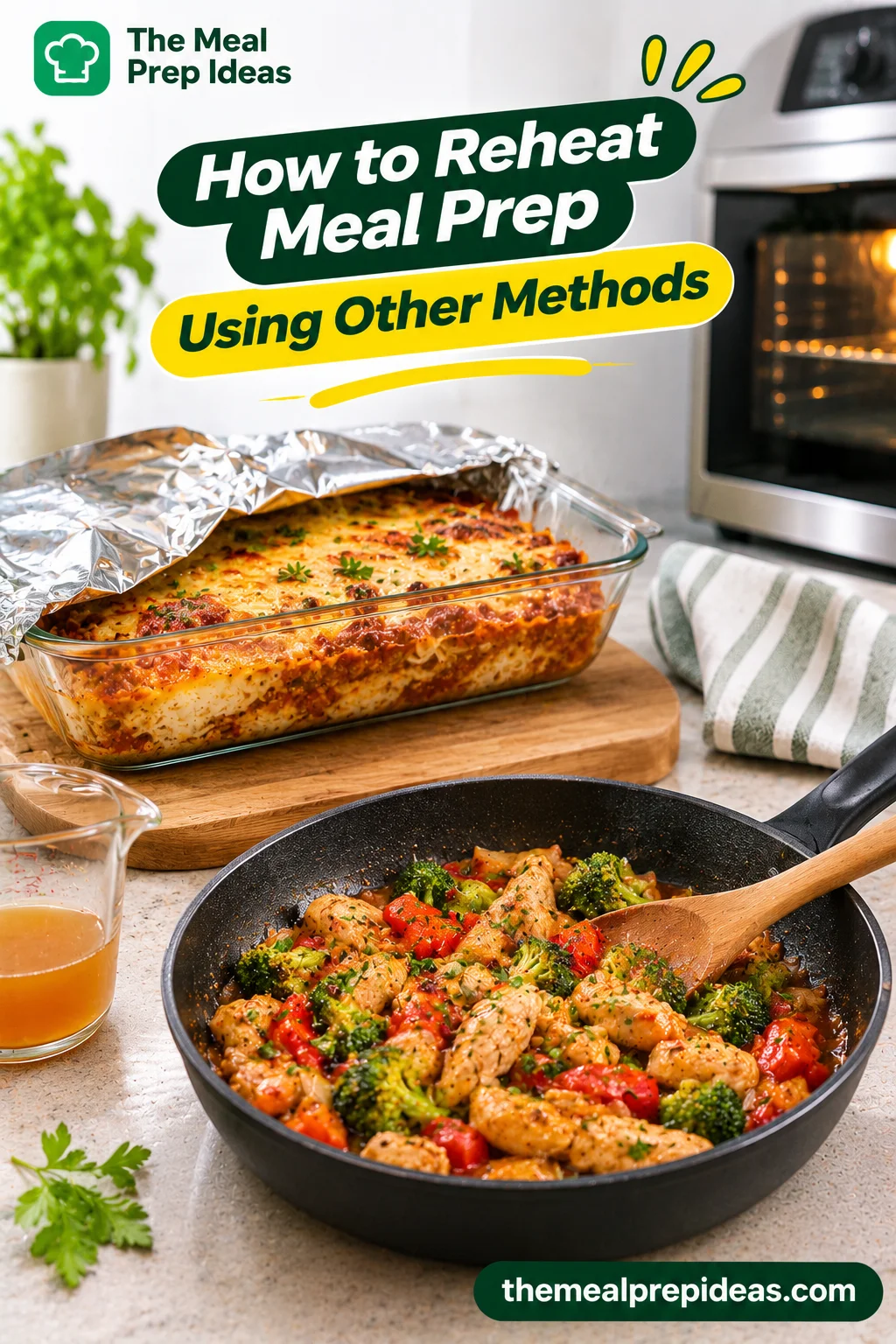
How to Reheat Meal Prep Using Other Methods
The microwave is convenient, but it isn't always the best option for every meal. Some foods taste better when reheated in the oven, while others need a skillet or air fryer to keep their original texture. Choosing the right method is essential when learning how to reheat meal prep without drying it out or making the food soggy and overcooked. Here's when to use each method and how to get the best results.
How to Reheat Meal Prep in the Oven
The oven works well for casseroles, baked dishes, and larger portions that need time to warm through. If you're wondering how to reheat meal prep in the oven, start by placing the food in an oven-safe dish and covering it if it tends to lose moisture.
A temperature of around 325°F (163°C) is a useful starting point for many leftovers. The best temperature to reheat meal prep in the oven depends on the type of food, its thickness, and whether you want a soft or crispy finish.
Follow these tips for better oven reheating:
- Cover moisture-sensitive foods: Use oven-safe foil to retain moisture and help prevent the surface from drying out. Keep the foil from touching heating elements, and follow the dish manufacturer's instructions.
- Add a little liquid: For rice-based casseroles, chicken dishes, or other foods that look dry, add a small amount of water or broth before covering.
- Allow enough time: Larger or thicker portions take longer to heat than individual servings. Check the center rather than relying on cooking time alone.
- Uncover near the end: If you want a browned or lightly crisp surface, remove the cover toward the end of heating.
- Check the temperature: Use a food thermometer to confirm that leftovers reach 165°F (74°C) throughout.
Good oven reheating takes patience, but it can help you reheat meal prep without drying it out when warming casseroles and larger portions. It's especially useful when you need to reheat casseroles or several portions at once.
How to Reheat Meal Prep on the Stovetop
Stovetop reheating is a great choice for stir-fries, soups, stews, and other dishes you can stir as they warm. It gives you more control over the heat, making it easier to reheat meal prep without drying it out when a dish needs a little extra liquid.
Here's a simple method:
- 1Transfer the food to a suitable skillet or saucepan.
- 2Set the burner to medium-low heat to warm the food gradually.
- 3Add a small splash of water, broth, or sauce if the food looks dry or begins sticking to the pan.
- 4Stir regularly so the food heats evenly and doesn't stick to the bottom.
- 5Continue heating until the center reaches 165°F (74°C), checking with a food thermometer.
This method works especially well when you need to reheat saucy meals, such as chicken curry, pasta sauce, or leftover stir-fry. A little extra liquid can help restore moisture and loosen a thick sauce as it warms.
For soups and stews, stir occasionally and make sure the entire portion becomes hot. Avoid turning the heat too high just to speed things up, as the bottom may overcook before the rest of the food is ready.
Stovetop reheating is also useful when learning how to reheat cooked meals that have become thick or dry in the refrigerator. You can adjust the liquid and heat as you go, making it easier to bring the dish back to a pleasant consistency.
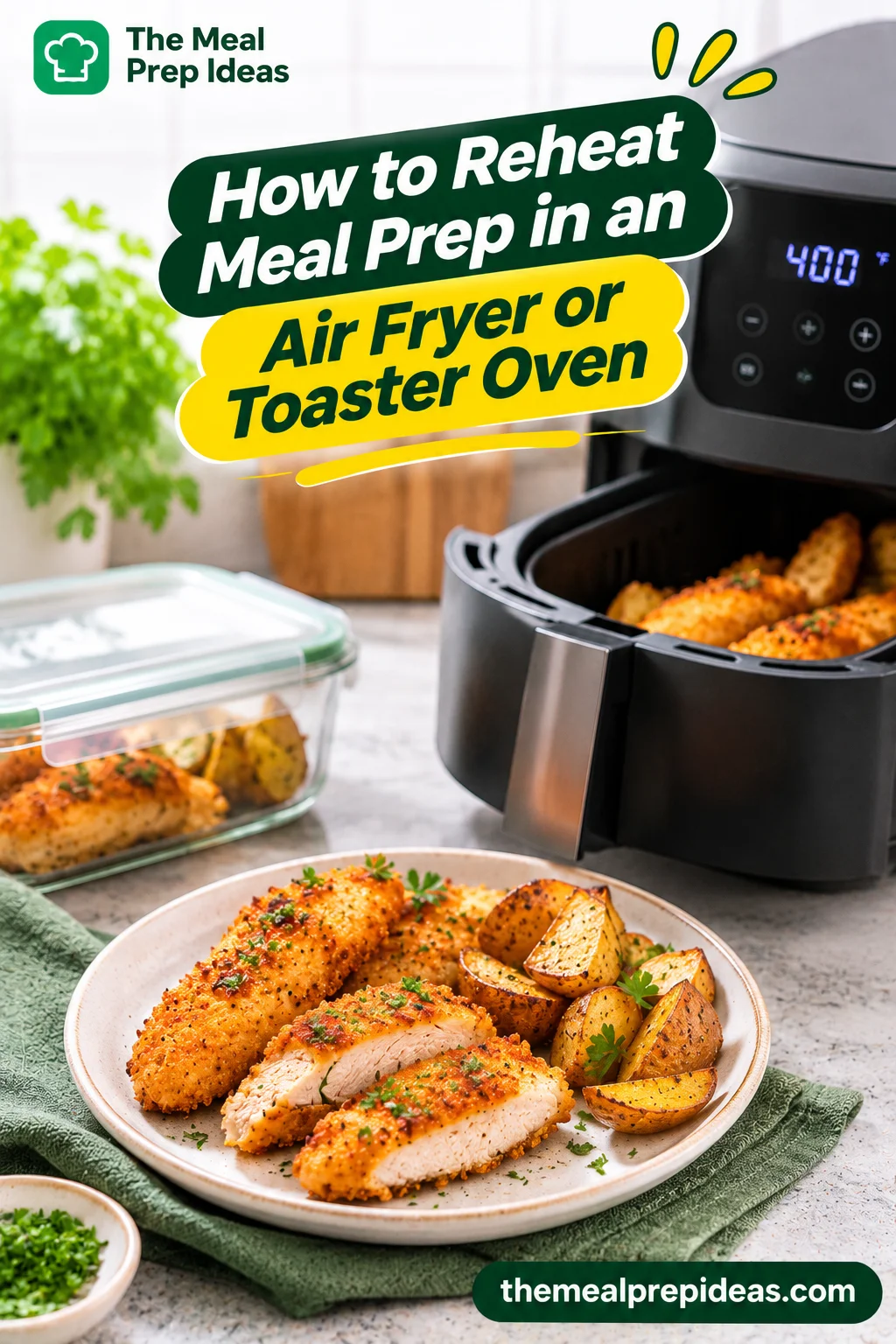
How to Reheat Meal Prep in an Air Fryer or Toaster Oven
If your meal includes roasted potatoes, breaded chicken, or other foods that should stay crunchy, air fryer reheating or toaster oven reheating may be a better choice than the microwave. These appliances help restore a crispy texture instead of trapping steam around the food.
To get better results:
- Arrange food in a single layer: Leave space around the pieces so hot air can circulate.
- Use moderate heat: Start with a temperature suitable for the food and appliance, then adjust if needed.
- Check frequently: Smaller pieces can heat quickly, so inspect them regularly to avoid overcooking or drying out the outside.
- Avoid excess liquid: Water and extra sauce can soften foods that should remain crispy.
- Use approved cookware: Only use containers and dishes labeled safe for your particular air fryer or toaster oven.
Can you reheat meal prep in an air fryer? Yes, particularly when the meal contains foods that benefit from a crisp surface. However, thick pieces of meat and dense portions may need a different method or extra time to heat safely through the center.
For mixed meals, consider reheating the crispy ingredients separately from rice, vegetables, or sauce. This helps keep crispy foods crispy while allowing the other ingredients to retain their moisture.
How to Reheat Meal Prep Using Steam
Steaming is useful for foods that benefit from gentle heat and added moisture, including rice, cooked grains, and many vegetables. Instead of exposing food directly to a hot, dry surface, this method uses steam to warm it while helping limit moisture loss.
To steam leftovers, add water to a saucepan and bring it to a simmer. Place the food in a suitable heat-safe steamer basket above the water, making sure the food does not touch the boiling water directly. Cover the pan and allow the steam to warm the food, checking it regularly and adding water to the pan if needed.
Keep these tips in mind:
- Spread food in an even layer: This helps steam reach more of the portion.
- Check the texture regularly: Rice and vegetables can become too soft if steamed for too long.
- Use steam for suitable foods: It works well for cooked grains and vegetables with high moisture content, but it isn't ideal for fried or roasted foods that should remain crisp.
- Check the internal temperature: If you're reheating leftovers, make sure the entire portion reaches 165°F (74°C).
Steaming food can support moisture retention, especially when reheating items that have become firm in the refrigerator. However, it may soften the surface of foods that need a crunchy finish, so choose the method based on the texture you want.
When to Use a Slow Cooker for Reheating
A slow cooker is useful for keeping suitable dishes warm, but it is not the best choice for reheating cold leftovers from the refrigerator. The food may take too long to pass through temperatures where harmful bacteria can grow.
For safer slow cooker reheating, follow this approach:
- 1Reheat the leftovers rapidly using a microwave, stovetop, or oven until they reach 165°F (74°C) throughout.
- 2Transfer the hot food to a clean slow cooker if the appliance is suitable for the dish.
- 3Use the appropriate setting to keep the food hot, following the manufacturer's instructions.
- 4Check the food temperature when needed, particularly if it will be held for an extended period.
For foodborne illness prevention, don't rely on a slow cooker to bring refrigerated leftovers up to a safe temperature gradually. Reheating food safely means heating it promptly and checking its internal temperature rather than guessing based on appearance.
In most cases, a microwave, oven, or stovetop is a better choice for reheating a cold meal. Save the slow cooker for keeping already-hot food warm when appropriate.
How to Reheat Different Meal Prep Foods Without Drying Them Out
Not every meal needs the same reheating method. Chicken can become tough, rice can turn hard, and pasta can lose moisture while sitting in the refrigerator. The best approach to reheat meal prep without drying it out depends on the ingredients, their moisture content, and the texture you want to preserve. A little broth may help chicken stay tender, while a splash of water can soften rice. Crispy potatoes need a different approach from mashed potatoes, and vegetables often taste better when you avoid overheating them. Here is how to handle common meal prep foods so they stay enjoyable after reheating.
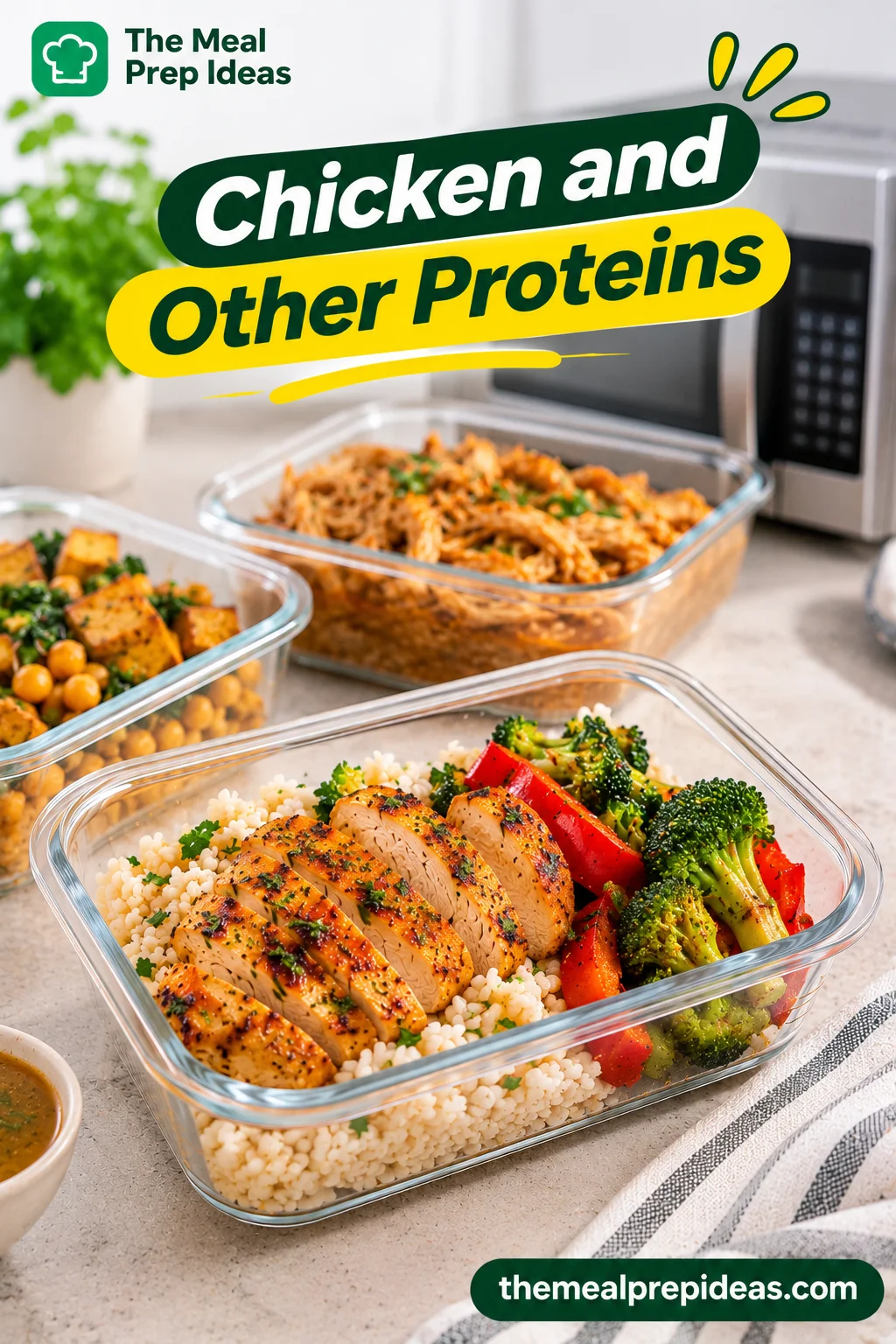
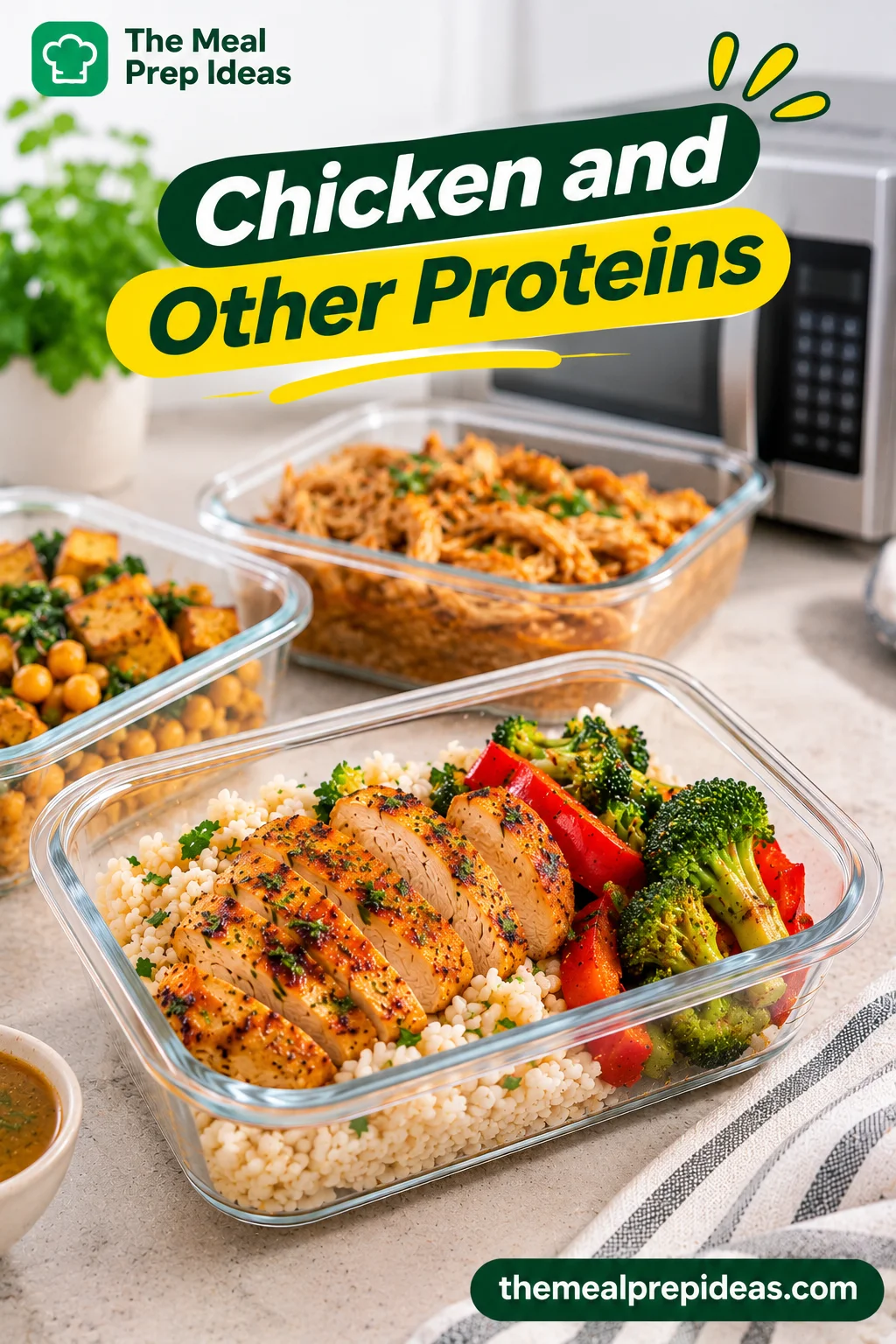
Chicken and Other Proteins
If you're wondering how do you reheat meal prep without drying out chicken, focus on gentle heating and adding moisture where needed. Chicken breast and other lean proteins can lose moisture quickly, especially when they are heated for too long. A small amount of broth, gravy, or sauce can help keep chicken juicy without making it soggy.
For larger pieces, slicing the meat before reheating can help the heat reach the center more easily. Shredded chicken is also convenient because it mixes well with sauce and can be stirred during reheating. Avoid repeatedly heating the same portion, as extra cooking can turn tender meat into an overcooked protein.
For food safety, reheat cooked proteins to 165°F (74°C) throughout. Adding liquid can improve texture, but it does not replace checking the internal temperature.
White Meat vs. Dark Meat
Chicken breast is leaner than chicken thighs, so it can dry out more easily when reheated. Thighs contain more fat and connective tissue, which often helps them remain moist and tender. Both can reheat well when handled carefully, but breast meat usually needs closer attention.
For chicken meal prep, keep breast pieces reasonably sized and add a little broth or sauce if they look dry. Chicken thighs are often forgiving in saucy dishes and can work particularly well in recipes such as Sheet Pan Chipotle Chicken Thighs.
Ground Meat, Shredded Chicken, and Slow-Cooked Meats
Ground meats and shredded proteins are often easier to reheat evenly because they can be broken into smaller pieces. However, they can still dry out if heated for too long without enough moisture.
- Ground meats: Break up large clumps and stir occasionally. Add a little broth or sauce if the meat looks dry.
- Shredded chicken: Mix it with some of its original cooking juices, gravy, or sauce before reheating.
- Braised or slow-cooked meats: Reheat them in a little of their cooking liquid to help preserve tenderness.
- Saucy meals: Stir regularly so the sauce and meat warm together rather than heating unevenly.
These simple adjustments help you reheat food evenly while keeping the meat tender. They are especially useful for curry, shredded chicken bowls, and other meals where sauce adds both flavor and moisture. If you're preparing a saucy meal, try our Chicken and Chickpea Curry recipe for another meal prep option.
Tofu, Tempeh, and Chickpeas
Plant-based proteins also benefit from the right balance of heat and moisture. Tofu can become dry or rubbery when overheated, while tempeh may feel firm if it is reheated without sauce. Chickpeas can also become dry or chalky in dishes with very little liquid.
For tofu, tempeh, and chickpeas served in a curry, grain bowl, or stir-fry, add a little of the original sauce before reheating if needed. Stir the ingredients so the sauce coats them evenly. This helps improve moisture and texture preservation without adding too much liquid.
Crispy tofu is an exception. If you want to keep its browned outside, reheat it separately in an oven or air fryer rather than covering it in sauce. Add the sauce just before serving so the outside stays crisp for longer.
Proteins That Need Extra Care When Reheated
Some proteins need more attention because they can dry out or become tough quickly. Delicate cooked fish, lean meats, and chicken that was already overcooked during the first cooking session are common examples.
Use these tips to prevent overcooking:
- Cooked fish: Warm it gently and check it frequently because the flakes can become dry when exposed to too much heat.
- Lean proteins: Add a little suitable sauce or broth when needed, and avoid long heating cycles.
- Rubbery chicken: If it is already tough, extra cooking may make it worse. A little sauce can improve how moist it feels, but it cannot fully reverse overcooking.
- Already-dry meat: Slice or shred it and mix it with gravy, broth, or another suitable sauce to make it easier to eat.
When deciding how to reheat meal prep without drying it out, warm proteins safely without giving them more cooking time than necessary. Adding large amounts of liquid is not the solution for every protein; careful heating and checking the center temperature are just as important.
Rice and Other Grains
If you want to know how to reheat rice without making it hard, start by adding a small splash of water and covering the rice while it heats. Refrigerated cooked rice can become firm as it cools, but a little moisture and steam can help soften the grains again.
For better results:
- 1Break up any large clumps with a fork.
- 2Sprinkle a small amount of water over the rice.
- 3Cover it with a suitable microwave-safe lid.
- 4Heat in short intervals, stirring halfway through when possible.
- 5Check that the rice is steaming hot throughout and reaches 165°F (74°C) when reheating leftovers.
When learning how to reheat meal prep without drying it out, adjust the amount of water to the portion size and how firm or dry the rice has become. Start with a little and add more only if needed. Too much water can leave the rice wet and sticky rather than fluffy.
Other cooked grains need slightly different adjustments:
- Quinoa: Add a small splash of water and fluff the grains with a fork after reheating.
- Couscous: Use a little water or broth to loosen compacted grains, then fluff gently.
- Farro and barley: These firmer grains may need a little extra liquid and more time to warm through, depending on their texture and preparation.
To reheat food evenly, avoid packing grains into a deep, tightly compressed layer. Spread them in a suitable shallow container when possible and stir during heating.
Safe storage matters just as much as reheating. Cooked rice should not sit at room temperature for extended periods because harmful bacteria can grow if it is left out too long. Refrigerate it promptly in shallow containers, keep it cold, and reheat only the portion you need. If you're preparing a rice-based lunch such as Spicy Chicken With Rice and Beans, these habits can help keep the grains pleasant throughout the week.
Pasta and Noodle Meals
The best way to reheat pasta depends on whether it is already mixed with sauce. Sauced pasta often needs only gentle heating and a little extra sauce if it looks dry. Plain pasta may need a small splash of water or a suitable sauce to bring back moisture.
If you're trying to learn how to reheat pasta without drying it out, use these tips:
- Pasta with sauce: Stir in a little extra sauce or water before reheating if the mixture looks thick or dry.
- Plain pasta: Add a small amount of water or sauce gradually, checking the texture as it warms.
- Pasta with delicate ingredients: If the recipe includes fresh herbs, tender vegetables, or a dressing that does not handle heat well, keep those ingredients separate and add them later when appropriate.
- Noodle dishes: Stir during reheating to loosen clumps and distribute the heat.
Short pasta shapes, such as penne and rotini, are often convenient for meal prep because they are easy to portion and mix with sauce. However, the best shape depends on the recipe, and any pasta can dry out if it is overcooked or stored poorly.
Should you store pasta and sauce together? It depends on the dish. Storing them together can help pasta absorb flavor, but some pasta may continue soaking up sauce and become softer over time. Keeping the sauce separate can give you more control over the texture, particularly when you plan to store the meal for several days.
Do you need to undercook pasta for meal prep? If you know you will reheat it later, cooking it just until al dente can help prevent it from becoming too soft. Avoid leaving it severely undercooked, though; it should still be properly prepared for the dish.
To reheat meal prep without drying it out when the dish contains pasta, add a little extra sauce or liquid and warm it gently in short intervals. If it is hard from refrigeration, moisture can help soften it. If it is already overcooked, further heating will not restore its original firmness, so keep the reheating time short.
For pasta salads intended to be eaten cold, such as Pesto Chicken Pasta Salad, you may not need to reheat the dish at all. Keep it properly refrigerated and follow the recipe's serving instructions. A vegetable-based option such as Veggie Pesto Pasta With Chickpeas is another option for a satisfying pasta meal.
Potatoes and Other Starchy Foods
Knowing how to reheat meal prep without drying it out means using different approaches for crispy roasted potatoes, creamy mashed potatoes, and soft baked potatoes. Roasted potatoes need help recovering their crisp surface, while mashed potatoes usually benefit from added moisture. Baked potatoes fall somewhere in between, depending on whether you want a soft center or a crisp skin.
How to reheat roasted potatoes: Use an oven or air fryer to help restore a crispy texture. Spread the potatoes out rather than stacking them, and check frequently so the outside does not dry out before the center is hot.
How to reheat mashed potatoes: Add a small amount of milk, cream, broth, or another liquid that suits the recipe. Warm them gently while stirring until the texture becomes smooth again. Add liquid gradually to avoid making them runny.
How to reheat baked potatoes: Warm them in an oven until the center is hot. If you want a softer skin, cover them where suitable; if you prefer a firmer skin, leave them uncovered. A microwave can also work when convenience matters, although the skin may remain soft.
Choosing the right method is another useful way to reheat meal prep without drying it out while keeping roasted potatoes crisp and mashed potatoes creamy.
Vegetables and Crispy Foods
Roasted vegetables often reheat better when they are cooked until tender but not overly soft during meal prep. If vegetables are already overcooked, extra heating can make them mushy. To avoid soggy vegetables, choose a method that suits their original texture.
For roasted broccoli, carrots, cauliflower, and similar vegetables, an oven or air fryer can help warm the food while allowing excess moisture to escape. Spread the vegetables out in a single layer and check them regularly. Avoid adding water when your goal is to keep their edges browned.
Some ingredients are better added after reheating. Keep salad greens, fresh herbs, crunchy toppings, dressings, and other delicate produce separate until serving. This is especially helpful in bowls made with fresh Mediterranean ingredients, where fresh cucumber, leafy greens, herbs, or dressing may lose their texture if heated with the cooked components.
For better texture preservation:
- Reheat roasted vegetables separately from sauces when possible.
- Keep breaded foods and other crispy ingredients uncovered when using a method designed to restore crispness.
- Add fresh toppings after the hot ingredients are ready.
- Avoid steaming vegetables that are meant to remain crisp.
The vegetables that reheat best are often those that were not overcooked initially and were stored correctly. Separating fresh and cooked ingredients can make a meal taste much closer to how it did when first prepared.
Soups, Stews, Casseroles, and Saucy Meals
Soups and stews are often forgiving because their liquid helps protect the ingredients from drying out. Reheat them in a saucepan over medium-low heat, stirring occasionally until the entire portion reaches 165°F (74°C).
If the consistency has thickened in the refrigerator, add a small amount of water or chicken broth and stir well. Start with a little, since some soups and stews loosen naturally as they warm. Adding too much liquid can dilute the flavor.
Casseroles need a slightly different approach. Cover the dish with an oven-safe lid or foil to help retain moisture while the center heats. If you want a browned top, uncover the casserole toward the end. Use a food thermometer to check the center instead of relying on the surface appearance alone.
For other saucy meals, such as curries and braised dishes, stir the food as it warms and add extra liquid only when needed. If the sauce already has enough moisture, additional broth or water may make the meal too thin.
The main idea is to match the reheating method to the dish: use gentle stovetop heat for soups and stews, cover moisture-sensitive casseroles, and adjust sauce gradually. These small changes can help reheat cooked meals while keeping their flavor and consistency.
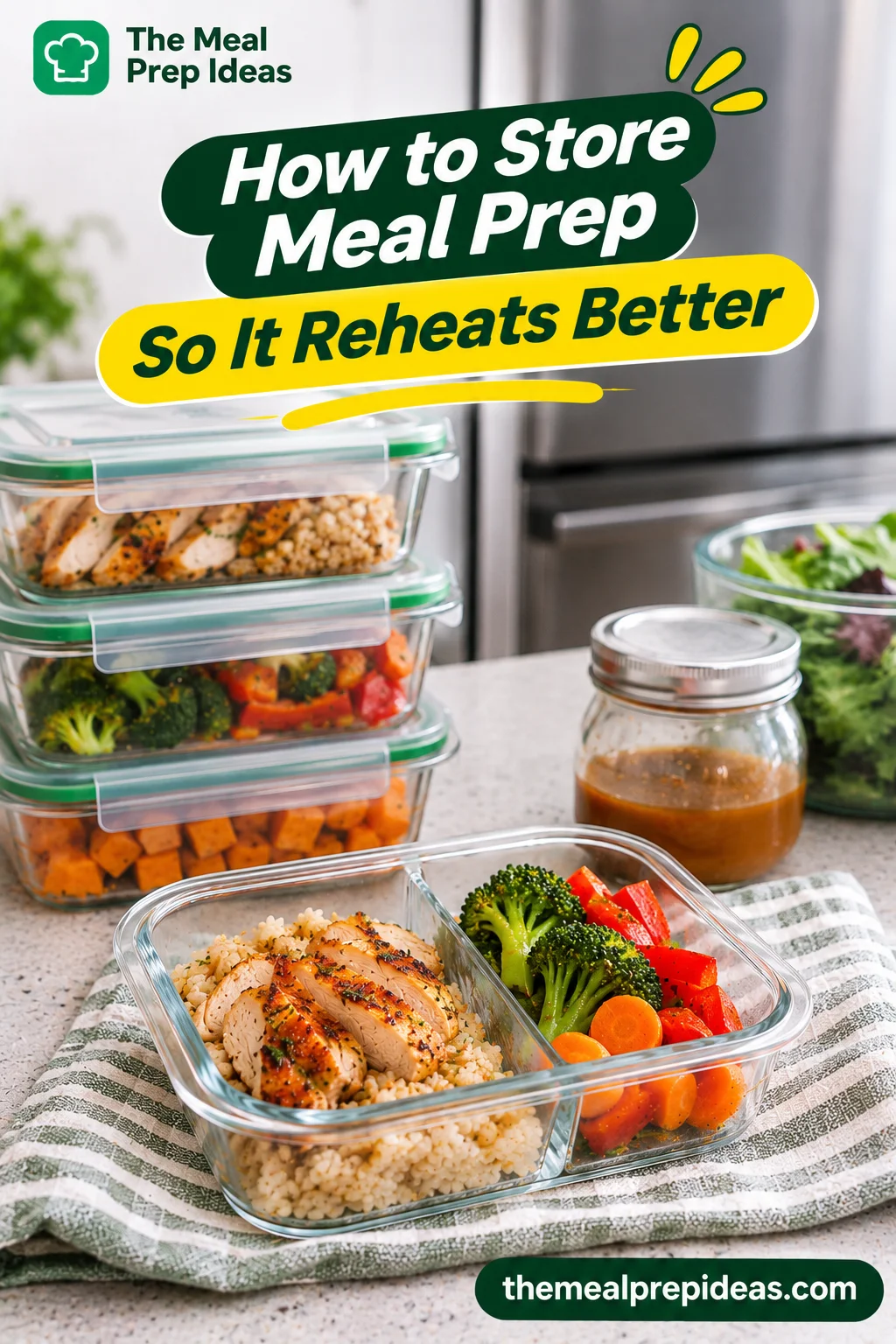
How to Store Meal Prep So It Reheats Better
Learning how to reheat meal prep without drying it out starts with proper cooking, portioning, and storage before the food reaches the refrigerator. If chicken is overcooked, pasta absorbs too much sauce, or vegetables sit in a closed container while still releasing steam, the texture may suffer later. Proper food storage helps preserve moisture, flavor, and texture, making your meals easier to enjoy throughout the week. A few simple habits, such as choosing suitable containers, storing ingredients correctly, and refrigerating leftovers promptly, can make a real difference.
Should You Store Meal Prep Components Together or Separately?
Whether you should store meal prep components together or separately depends on the ingredients and how you plan to serve them. Some foods benefit from sitting together, while others taste better when kept apart until mealtime.
Store ingredients together when they work well with moisture and sauce. Chicken curry, rice bowls with gravy, and saucy vegetable dishes can often be stored as complete meals because the ingredients share flavor and stay moist.
Store components separately when they have different texture needs. Crispy chicken, roasted potatoes, fresh salad vegetables, and crunchy toppings may become soggy if stored with wet ingredients. Pasta can also absorb sauce while sitting in the refrigerator, so separating the components may help you control the final texture.
Here are a few practical examples:
- Pasta and sauce: If you want to store pasta and sauce together, make sure the pasta has enough sauce to prevent it from becoming dry. If it tends to absorb too much liquid, store the sauce separately and combine them when reheating.
- Crispy proteins: Keep breaded or crispy chicken separate from gravy, dressing, or other wet ingredients.
- Fresh vegetables and dressings: Store leafy greens, cucumber, and dressing separately from hot cooked ingredients.
- Grain bowls: Rice, cooked chicken, and sauce can often be stored together, but fresh toppings are better added after reheating.
Keeping meal prep components separate can also reduce sauce separation and help preserve the texture of each ingredient. You don't need to separate everything, though. Choose the arrangement that makes sense for the dish and how you want to eat it.
How to Store Rice, Pasta, Protein, and Vegetables
The way you cook and store food affects how well it reheats later. Overcooked pasta may become too soft, chicken that starts out dry can become tougher, and vegetables that are cooked until mushy may lose even more texture after reheating.
To learn how to store meal prep properly, start with these simple habits:
- Cook food to the right texture: Avoid overcooking chicken, pasta, rice, and vegetables during meal preparation. Food that starts with a good texture is more likely to remain enjoyable after reheating.
- Portion meals sensibly: Divide large batches into individual servings so they cool more quickly and are easier to reheat evenly.
- Use suitable containers: Store portions in clean, food-safe containers with secure lids. Airtight containers help protect food from drying out and absorbing unwanted refrigerator odors.
- Refrigerate promptly: Transfer cooked food to suitable shallow containers and refrigerate it without unnecessary delay.
- Keep sauces in mind: Store extra sauce or cooking juices with foods that benefit from moisture, or keep them separate when you want better control over the final texture.
Cooked rice deserves particular care. Harmful bacteria can grow if rice is left at room temperature for too long, and reheating may not make improperly stored rice safe to eat. Cool and refrigerate it promptly, keep it properly chilled, and reheat only what you need.
Good food storage supports your efforts to reheat meal prep without drying it out, although it cannot reverse every cooking mistake. Starting with properly cooked ingredients and storing refrigerated meals correctly gives you a much better chance of enjoying tasty leftovers.
Choosing Between Glass and Plastic Meal Prep Containers
Both glass and plastic can work well for meal prep. The best choice depends on your routine, how you transport food, and which appliance you plan to use for reheating.
| **Feature** | **Glass containers** | **Plastic containers** |
|---|---|---|
| Weight | Usually heavier to carry | Usually lighter for work or school |
| Portability | Can be less convenient in a packed bag | Often easier to carry |
| Reheating | Use only when the container is approved for the appliance | Must be specifically labeled microwave-safe for microwave use |
| Temperature changes | Follow manufacturer guidance to avoid thermal shock | Follow temperature limits to prevent damage |
| Everyday use | Useful for home storage and reheating when approved | Convenient for portioning and transporting meals |
When comparing glass vs plastic containers, remember that the material alone does not determine whether a container is safe for reheating. Check the manufacturer's instructions before putting any container in a microwave, oven, or air fryer.
A microwave-safe container is not automatically oven-safe or air-fryer-safe. Lids may also have different heating instructions from the container itself, so check both parts.
Shallow containers are often helpful for meal prep because food can be spread out instead of packed into a deep layer. This supports more even cooling and makes it easier to reheat portions without leaving the center cold.
Choose containers that fit your routine. If you carry lunch to work, lightweight plastic may be convenient when it is approved for the intended use. For home storage, glass may be a practical option if you are comfortable carrying its extra weight.
How to Cool and Refrigerate Meal Prep Safely
Proper storage is important for both food quality and food safety. Even if you know how to reheat refrigerated meals correctly, reheating cannot make food safe if it was left at unsafe temperatures or stored for too long.
Follow these basic food-storage guidelines:
- Refrigerate leftovers promptly: Put cooked food into suitable containers and refrigerate it within two hours. If the surrounding temperature is above 90°F (32°C), refrigerate it within one hour.
- Use shallow containers: Divide large quantities into smaller portions to help food cool more quickly.
- Keep your refrigerator cold: Set the refrigerator to 40°F (4°C) or below and use a refrigerator thermometer if needed.
- Follow storage limits: Many cooked leftovers can be refrigerated for 3–4 days when handled correctly. If you won't eat them within that period, freeze them promptly.
- Reheat only what you need: Taking out a single portion reduces repeated heating and cooling of the entire batch.
- Discard questionable food: If food has been stored improperly or has been outside safe temperature limits for too long, don't rely on smell or appearance to decide whether it is safe.
For foodborne illness prevention, remember that some harmful bacteria may grow without changing a food's smell, color, or taste. Reheating leftovers to 165°F (74°C) throughout is an important step, but it does not undo unsafe storage.
A simple routine makes meal prep easier: portion the food, refrigerate it promptly, label containers with the preparation date, and eat or freeze leftovers within the recommended storage period. These habits help protect both the quality of your meals and your health.
How to Reheat Frozen Meal Prep Without Drying It Out
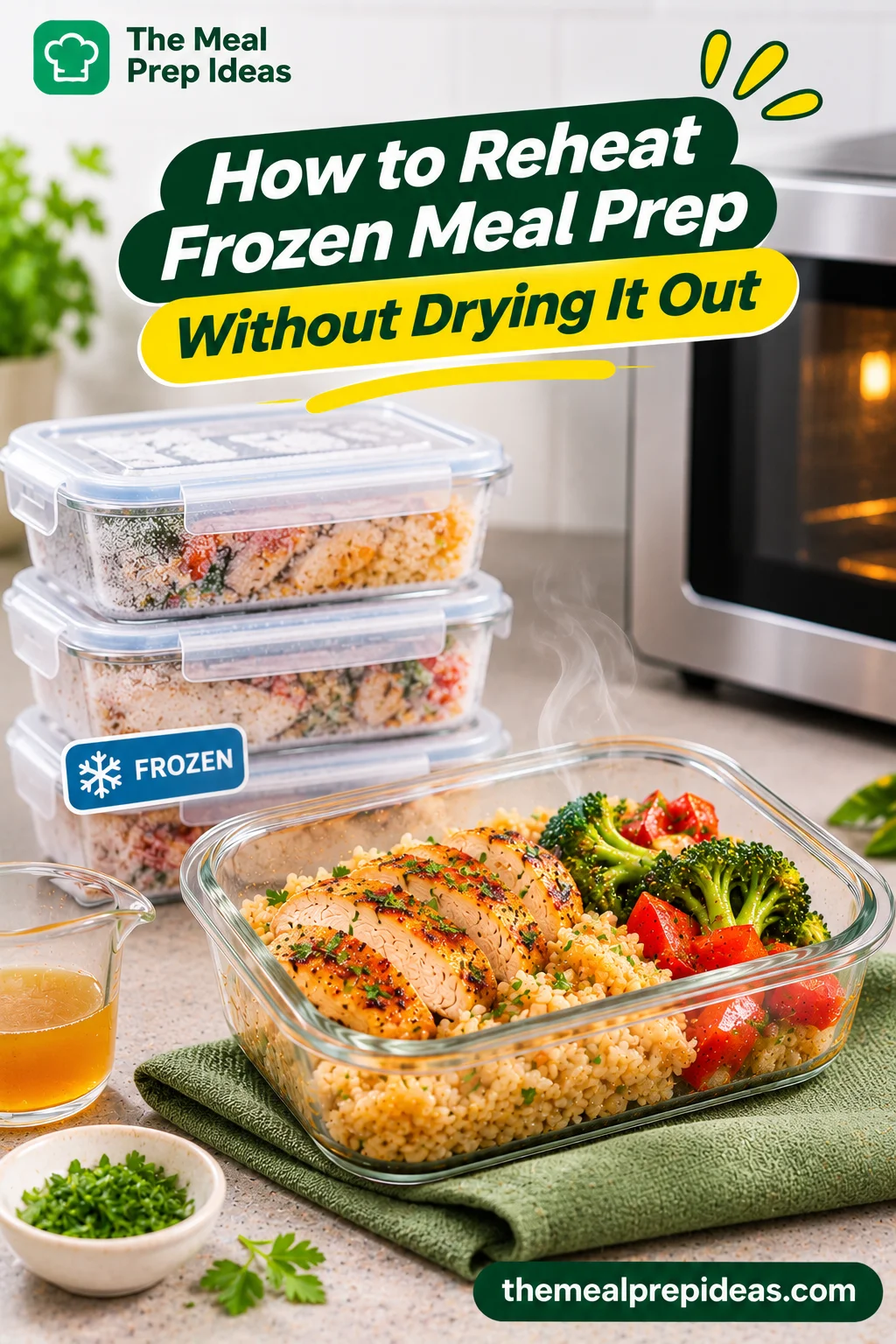
Freezing meal prep is a convenient way to save time, but frozen food can lose moisture if it is reheated incorrectly. Chicken may become tough, rice can turn dry, and pasta may lose its smooth texture. You can reheat meal prep without drying it out after freezing by choosing a suitable method, adding a little liquid when needed, and checking the food as it warms. The key is to thaw food when helpful, heat it evenly, and avoid cooking it for longer than necessary.
Should You Thaw Frozen Meal Prep Before Reheating?
Thawing frozen meals in the refrigerator can help them reheat more evenly, especially when they contain thick pieces of meat or several different ingredients. It gives the center a chance to warm more consistently instead of leaving the outside hot while the middle remains frozen.
If you're learning how to reheat frozen meal prep, you have two main options:
- Thaw in the refrigerator: Move the frozen meal from the freezer to the refrigerator ahead of time. Once thawed, reheat it using a suitable method and check that it reaches a safe temperature.
- Reheat from frozen: Some meals can go straight from the freezer to the microwave or oven if the food, container, and appliance instructions allow it. Expect the process to take longer, and check the center carefully.
If you want to know how to reheat frozen meal prep without drying it out, avoid guessing the cooking time. Frozen portions vary in size, thickness, and ingredients, so one fixed time will not work for every meal.
For example, a small portion of shredded chicken in sauce may heat more quickly than a dense container of chicken, rice, and vegetables. Follow the food and appliance instructions, stir the meal when possible, and check the center temperature. Reheated leftovers should reach 165°F (74°C) throughout.
Never thaw perishable food on the kitchen counter. Refrigerator thawing is a safer option, and if you choose to reheat a meal directly from frozen, make sure the method is suitable for that particular dish.
How to Restore Moisture to Previously Frozen Meals
Freezing and thawing can affect food texture, but a few small adjustments can help restore moisture during reheating. The best approach depends on what you're eating.
- Rice and grains: Add a small splash of water, cover the container, and heat until the grains are hot throughout. Stir to break up clumps and distribute the moisture.
- Chicken and other proteins: Add a little broth, gravy, or sauce if the meat looks dry. This can help keep chicken juicy, especially when it has been sliced or shredded.
- Pasta: Mix in a little extra sauce or water if the pasta has become dry. Add liquid gradually to avoid making the dish watery.
- Casseroles and saucy dishes: Cover the food during reheating to help retain steam. If you want a browned surface, uncover it toward the end when using a suitable oven method.
- Crispy foods: Use an oven or air fryer when appropriate to help restore crispness. Avoid adding water or covering the food if doing so would make it soggy.
Covering moisture-sensitive foods helps trap steam during reheating and supports moisture retention. However, the amount of liquid matters. Start with a small amount and add more only if needed.
For mixed meals, stir halfway through when possible and check for cold spots before serving. Larger portions may need to be divided into smaller amounts for more even heating.
Remember that adding liquid can improve how previously frozen food feels and tastes, but it cannot completely reverse overcooking or every texture change caused by freezing. The best results come from proper storage, suitable reheating, and careful temperature checks.
Common Meal Prep Reheating Mistakes and How to Fix Them
Even a well-prepared meal can turn out dry or soggy if it is reheated the wrong way. Avoiding too much heat, excess liquid, and poor ingredient combinations can help you reheat meal prep without drying it out or ruining its texture. Here's how to spot these problems and fix them.
Adding Too Much Water or Broth
The problem: Adding too much liquid can make rice watery, vegetables soggy, and sauces thinner than intended.
The fix: Start with a small splash of water or broth, then check the texture as the food warms. Add more only if the meal still looks dry. For pasta, extra sauce may work better than plain water.
Reheating at Too High a Temperature
The problem: High heat can cause moisture loss, particularly in chicken breast, fish, and other lean proteins. The outside may become tough before the center is properly heated.
The fix: Use gentler heat when appropriate and check the food regularly. For microwave reheating, try a reduced power setting for foods that dry out easily. Continue until the center reaches 165°F (74°C) rather than stopping when the outside feels hot.
Heating Food for Too Long Without Stirring
The problem: Microwaves can heat food unevenly, leaving hot edges and cold spots in the middle. Long heating cycles may also overcook the parts that warm first.
The fix: Heat food in short intervals and stir halfway through when possible. Rotate the container if needed, and check the center temperature before eating. For larger portions, reheating smaller servings can help improve even heating.
Relying on Olive Oil Alone to Fix Dry Food
The problem: Olive oil can add richness and flavor, but it does not replace all the moisture lost during cooking and reheating. Adding more oil to dry chicken or pasta may make the food greasy without fixing its texture.
The fix: Choose a liquid that suits the dish. Use broth or gravy for chicken, water for rice, and extra sauce for pasta. A little olive oil may complement these ingredients, but it should not be the only solution when a meal needs moisture.
Mixing Every Ingredient Together Too Early
The problem: Combining everything before storage or reheating can lead to soggy vegetables, soft crispy toppings, and sauce separation. Fresh ingredients may also lose their texture when heated with cooked food.
The fix: Store ingredients separately when they have different texture needs. Keep dressings, fresh herbs, crunchy toppings, and delicate fresh Mediterranean ingredients aside until serving. Reheat the cooked components first, then add the fresh ingredients at the end.
Overcooking Food During the Initial Meal Prep
The problem: Food that is already overcooked is harder to improve later. Chicken may start out tough, pasta can become too soft, and vegetables may turn mushy after another round of heating.
The fix: Cook ingredients to the right texture during meal prep, keeping in mind that they may be reheated later. Prepare pasta until just al dente when appropriate, avoid overcooking chicken, and cook vegetables until tender rather than mushy.
If food is already dry, adding a suitable sauce or a little broth may make it more enjoyable, but it will not fully reverse an overcooked protein. Good preparation, proper storage, and careful reheating are the best ways to protect texture over time.
Food Safety Tips for Reheated Meal Prep
Keeping meal prep moist is important, but food safety matters just as much. Even if your chicken looks juicy or your rice smells fresh, improper storage or reheating can still make the food unsafe to eat. To reheat meal prep without drying it out safely, store leftovers promptly, heat them thoroughly, and check their internal temperature instead of guessing.
What Internal Temperature Should Reheated Food Reach?
Reheated leftovers should reach an internal temperature of 165°F (74°C) throughout. This includes the center of your meal, not just the hot surface. Using a food thermometer is the most reliable way to check the food temperature, especially for thick portions, casseroles, and meals containing meat.
Insert the thermometer into the thickest part or center of the food, following the thermometer's instructions. If the temperature is below 165°F (74°C), continue reheating and check again. Remember, cooking time alone cannot guarantee that food has reached a safe temperature because portion size, starting temperature, and appliance power all affect how quickly it heats.
How to Check for Cold Spots in the Microwave
Microwaves can heat food unevenly, leaving cold spots even when other areas feel hot. These spots are more likely to be missed in dense meals or containers filled with several ingredients.
To improve heat distribution, stir rice, pasta, and saucy dishes halfway through reheating. If you cannot stir the food, rotate the container when appropriate. For thick or mixed portions, check the center temperature and other dense areas with a food thermometer. Let the meal stand briefly, then check again if needed. Always confirm that the entire portion reaches 165°F (74°C) before eating.
How Many Times Can You Safely Reheat Leftovers?
For the best quality and simpler food safety, reheat only the portion you plan to eat rather than repeatedly warming the whole batch. Repeated cooling, handling, and reheating can increase the chances of unsafe temperature exposure and can also make food dry or overcooked.
Keep unused meal prep leftovers refrigerated promptly and return any remaining food to the refrigerator without unnecessary delay. Reheat them thoroughly when you are ready to eat. Reheating is not a way to rescue food that has been stored unsafely or left at room temperature for too long.
When Should You Throw Away Leftover Meal Prep?
Discard leftovers if they have been left at unsafe temperatures for too long, stored beyond the recommended period, or handled in a way that makes their safety uncertain. Food can be unsafe even when it looks and smells normal, so don't rely on appearance or smell alone.
As a general guide, refrigerate cooked leftovers within two hours, or within one hour when the temperature is above 90°F (32°C). Keep your refrigerator at 40°F (4°C) or below and use most properly handled refrigerated leftovers within 3–4 days. Freeze food you won't use within that period. When storage conditions are uncertain, the safer choice is to throw the food away rather than risk foodborne illness.
Frequently Asked Questions
How Do You Reheat Meal Prep Without Drying Out Chicken?
Add a small amount of chicken broth, gravy, or sauce if the meat looks dry, then cover it and heat gently in short intervals. Slice or shred thick pieces to help them warm evenly. To keep chicken juicy, avoid heating it longer than necessary, and use a food thermometer to confirm it reaches 165°F (74°C) throughout.
Should You Add Water When Reheating Meal Prep?
Yes, when the food needs extra moisture. A small splash of water works well for rice and grains, while broth is often better for savory proteins and extra sauce suits pasta. Add liquid gradually and check the texture as the food heats. Too much can make your meal watery or soggy.
Is It Better to Reheat Meal Prep in the Oven or Microwave?
It depends on the meal. Microwave reheating is convenient for individual portions of rice, pasta, and saucy dishes. Oven reheating is often better for casseroles, larger portions, and foods that benefit from browning. For crispy foods, an air fryer may be a better option. Whichever method you choose, reheat leftovers to 165°F (74°C) throughout.
How Do You Reheat Rice Without Making It Dry or Hard?
Sprinkle a little water over the rice, cover it with a microwave-safe lid, and heat in short intervals. Break up clumps and stir halfway through when possible. This helps create steam and soften the grains. Check that the rice reaches 165°F (74°C) and only reheat rice that has been stored safely.
How Do You Reheat Pasta Without Drying It Out?
Add a little extra sauce or a small splash of water to the pasta before reheating. Cover it when using the microwave and stir halfway through to distribute the heat. If the pasta and sauce were stored separately, combine them as needed. Heat gently and stop once the pasta is hot throughout to avoid making it too soft.
Can You Reheat Frozen Meal Prep Without Thawing It First?
Yes, some frozen meals can be reheated directly from frozen if the food, container, and appliance instructions allow it. They will usually need more time than thawed meals. Stir, when possible, check for cold spots, and confirm the center reaches 165°F (74°C). Refrigerator thawing can help with more even heating, especially for thick portions.
Table of Contents
- Quick Answer: How to Reheat Meal Prep Without Drying It Out
- The Key to Keeping Reheated Meal Prep Moist
- Add the Right Amount of Water, Broth, or Sauce
- Cover Food to Retain Moisture and Steam
- Use Gentle Heat and Avoid Overcooking
- Stir, Rotate, and Let Food Rest
- How to Reheat Meal Prep in the Microwave
- Step-by-Step Microwave Reheating Method
- Best Microwave Power, Timing, and Moisture Tips
- Choosing a Microwave-Safe Container and Venting the Lid
- How to Reheat Meal Prep Using Other Methods
- How to Reheat Meal Prep in the Oven
- How to Reheat Meal Prep on the Stovetop
- How to Reheat Meal Prep in an Air Fryer or Toaster Oven
- How to Reheat Meal Prep Using Steam
- When to Use a Slow Cooker for Reheating
- How to Reheat Different Meal Prep Foods Without Drying Them Out
- Chicken and Other Proteins
- White Meat vs. Dark Meat
- Ground Meat, Shredded Chicken, and Slow-Cooked Meats
- Tofu, Tempeh, and Chickpeas
- Proteins That Need Extra Care When Reheated
- Rice and Other Grains
- Pasta and Noodle Meals
- Potatoes and Other Starchy Foods
- Vegetables and Crispy Foods
- Soups, Stews, Casseroles, and Saucy Meals
- How to Store Meal Prep So It Reheats Better
- Should You Store Meal Prep Components Together or Separately?
- How to Store Rice, Pasta, Protein, and Vegetables
- Choosing Between Glass and Plastic Meal Prep Containers
- How to Cool and Refrigerate Meal Prep Safely
- How to Reheat Frozen Meal Prep Without Drying It Out
- Should You Thaw Frozen Meal Prep Before Reheating?
- How to Restore Moisture to Previously Frozen Meals
- Common Meal Prep Reheating Mistakes and How to Fix Them
- Adding Too Much Water or Broth
- Reheating at Too High a Temperature
- Heating Food for Too Long Without Stirring
- Relying on Olive Oil Alone to Fix Dry Food
- Mixing Every Ingredient Together Too Early
- Overcooking Food During the Initial Meal Prep
- Food Safety Tips for Reheated Meal Prep
- What Internal Temperature Should Reheated Food Reach?
- How to Check for Cold Spots in the Microwave
- How Many Times Can You Safely Reheat Leftovers?
- When Should You Throw Away Leftover Meal Prep?
- Frequently Asked Questions
- How Do You Reheat Meal Prep Without Drying Out Chicken?
- Should You Add Water When Reheating Meal Prep?
- Is It Better to Reheat Meal Prep in the Oven or Microwave?
- How Do You Reheat Rice Without Making It Dry or Hard?
- How Do You Reheat Pasta Without Drying It Out?
- Can You Reheat Frozen Meal Prep Without Thawing It First?
Keep Reading
More From the Journal
Get Your Free 7-Day Meal Prep Plan
Join home cooks getting weekly meal prep ideas, shopping lists, and time-saving tips straight to their inbox.